Where to Buy Delta 8 Oil: A Practical Guide for Informed Consumers
Delta 8 oil has been making quiet waves in the cannabis concentrate space for a couple of years now. If you have browsed online shops or local vape stores, you have probably seen the label on a bottle and wondered how it compares to the more familiar delta 9. The truth is, delta 8 occupies a useful middle ground. It is psychoactive enough to deliver a noticeable experience, but its effects tend to be milder and less anxiety-provoking than those of its high-THC cousin. That makes it an attractive option for people who want the therapeutic benefits of cannabis without feeling overwhelmed.
Before you buy delta 8 oil, it helps to understand exactly what you are getting. Delta 8 is a naturally occurring cannabinoid found in the hemp plant, just like delta 9. The difference is in how the molecule binds to CB1 receptors in the brain. Delta 9 binds tightly and produces the strong euphoria most people associate with cannabis. Delta 8 binds with lower affinity, so the experience is more subtle. Many users describe it as clear-headed and functional. You can go about your day without feeling glued to the couch, which is a huge selling point for medical users and people who need to stay productive.
Why Delta 8 Oil Stands Apart
When you buy delta 8 oil, you are buying a distillate that typically comes from hemp-derived CBD or CBG. The conversion process involves a mild isomerization, turning some of the precursor cannabinoids into delta 8. The result is a THC distillate that sits in a legal grey area, but one that most states treat as compliant under the 2018 Farm Bill because it is derived from legal hemp. That is worth repeating: delta 8 oil is federally legal according to current interpretations, though state laws vary. Always check your local regulations before ordering.
From a chemical standpoint, delta 8 oil is a cannabis distillate that retains a broader cannabinoid profile than many refined isolates. Good producers do not strip away the minor cannabinoids and terpene profile that define the plant's character. The presence of CBD, CBG, CBC, and others works together to produce what is often called the entourage effect. That synergy matters. A full spectrum oil with a rich cannabinoid profile will feel more balanced and forgiving than a crude isolate, even if the total delta 8 percentage is lower.
What to Look for When You Buy Delta 8 Oil
Not every bottle on the market is worth your money. The delta 8 category has attracted some opportunistic brands that cut corners on quality. Here are the factors I examine before making a purchase:
- Third-party lab testing. Reputable sellers publish certificates of analysis from independent labs. The report should confirm the delta 8 percentage, show that delta 9 levels are below the legal limit of 0.3% by dry weight, and screen for residual solvents, pesticides, and heavy metals. If a company hides those results, walk away.
- Source material. The best delta 8 oils start with clean, organically grown hemp. Cheap biomass can introduce unwanted residues that end up in the final extract. Know where the plant material comes from.
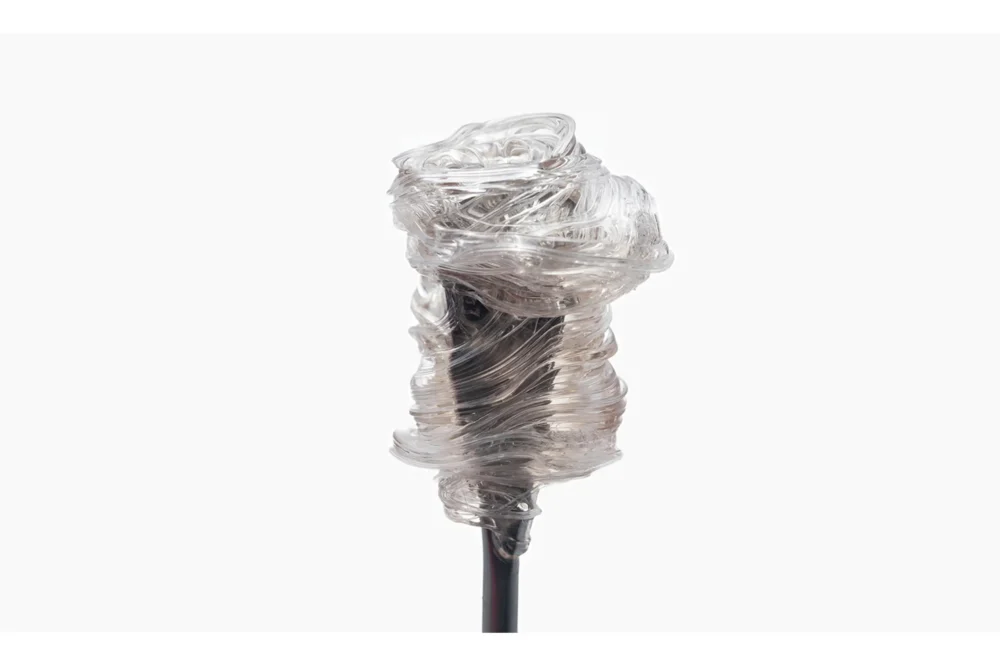
- Consistency. A quality distillate should be viscous and uniform, not watery or separated. Cloudiness or sediment can indicate poor filtration or degradation.
- Carrier base. Some oils are sold pure; others are diluted with MCT oil or propylene glycol. Pure oil is more potent but harder to dose. Diluted oil is easier to measure with a dropper. Pick based on your preferred method of consumption.
KushStation, for example, carries delta 8 oil that meets these standards. Their product listings include lab results and clear batch information, which gives me confidence when I decide to reorder. That level of transparency is not universal in this space, so it is worth supporting vendors who make the effort.
How to Use Delta 8 Oil
Delta 8 oil is versatile. The method you choose affects onset time, duration, and intensity. Here are the most common approaches, along with my personal experience for each.
Vaping. If you have a vape cartridge designed for thick oils, you can fill it with delta 8 distillate. Start with a low voltage setting - around 3.2 to 3.5 volts - and take a short puff. Wait at least ten minutes before deciding whether you want more. Vaping gives a near-instant effect that peaks in about twenty minutes and fades within two hours. That is my go-to method when I want quick relief for anxiety or a creative boost in the afternoon.
Dabbing. Using a dab rig delivers the most intense version of delta 8 because you are taking a concentrated hit. Heat the nail to around 315-400°F. A lower temperature preserves more terpenes and produces a smoother vapor. Dabbing is best reserved for experienced users or those with a high tolerance. I find it useful for deep relaxation at the end of a long day, but I do not recommend it for beginners.
Tinctures. Many people use delta 8 oil as a tincture by placing a drop or two under the tongue. Sublingual absorption bypasses the digestive system and kicks in within about fifteen minutes. The effect is less intense than vaping but lasts longer, often three to four hours. I keep a small dropper bottle of delta 8 tincture in my bag for situations where I need sustained relief without drawing attention.
Edible dosing. You can also mix delta 8 oil into food or drinks, but be aware that oral ingestion involves a first-pass metabolism in the liver. The delta 8 is converted into a more potent 11-hydroxy metabolite, so the effect can be surprisingly strong and long-lasting - up to eight hours. Start with a low dose, around 2-5 mg of delta 8, and wait at least two hours before adding more. Edible dosing is not for the impatient. I have seen too many people overdo it and end up uncomfortably high for the whole day.
Delta 8 vs Delta 9: The Practical Differences
Delta 9 oil is the heavy hitter. It is the dominant psychoactive in most cannabis strains and the one responsible for the classic stoned feeling. But delta 9 also brings along higher risks of paranoia, red eyes, and cottonmouth. For some people - especially those new to cannabis or those with low tolerance - delta 9 can be too much.
Delta 8 offers a gentler alternative. The cannabinoid profile of a good delta 8 oil includes enough minor cannabinoids to soften the edges. The entourage effect comes into play here: the presence of CBD and other compounds tempers the psychoactive impact, making the experience more controllable. I have found that delta 8 works well for daytime use when I need to focus on writing or problem-solving, whereas delta 9 is strictly for evenings when I have no responsibilities left.
Legality is another difference. Delta 9 derived from marijuana is still federally illegal and tightly regulated in many states. Delta 8, because it is hemp-derived and falls under the 2018 Farm Bill, exists in a more accessible legal space. That does not mean it is legal everywhere, but it is widely available for direct-to-consumer shipping in most of the US. Just be mindful of state-specific bans - a handful of states have explicitly outlawed delta 8 despite the federal allowance.
Safety and Quality Control
The delta 8 market is still young, and quality varies significantly between producers. One of the biggest concerns is contamination with synthetic cannabinoids. Some unscrupulous manufacturers spike their distillates with lab-made cannabinoids to boost potency cheaply. Synthetic cannabinoids can be dangerous; they bind to CB1 receptors much more aggressively than natural compounds and have been linked to severe adverse reactions. That is why I insist on third-party lab testing from every vendor I use. A legitimate certificate of analysis will include a screen for synthetics. If the vendor cannot provide one, do not buy.
Potency is another variable. Delta 8 oil can range from 10% to over 80% delta 8 content. Higher potency means stronger effects but also narrower margins for error in dosing. A 50% oil is a good starting point for most people. It is concentrated enough to feel the effects clearly but not so potent that a single extra drop ruins your evening.
I also consider the terpene profile. Terpenes are the aromatic compounds that give cannabis its distinct flavors and aromas. They also contribute to the overall experience through the entourage effect. A flat, tasteless delta 8 oil is usually a sign that the producer stripped away too much during processing. A rich terpene profile, on the other hand, suggests careful extraction and a respect for the plant. That is the kind of oil I look for when I buy delta 8 oil for myself.
Final Thoughts on Buying Delta 8 Oil
Delta 8 oil fills a specific niche that neither CBD nor delta 9 fully covers. It offers a functional, manageable psychoactive experience that works for medical users, low-tolerance individuals, and anyone who wants the benefits of THC without the intensity. The key is to buy from a source that prioritizes transparency and quality. Check lab reports, understand the cannabinoid profile, and start with a low dose regardless of your experience level.
KushStation is one of the few vendors I have found that consistently delivers on all these fronts. Their delta 8 oil comes from clean hemp, their cannabis concentrates are tested by a third party, and their product descriptions are honest about potency and intended use. That kind of reliability matters when you are putting something into your body. Whether you prefer a dab rig, a vape cartridge, a tincture, or edible dosing, the right delta 8 oil can be a valuable addition to your routine - as long as you take the time to choose wisely.